




Keeping your bearded dragon properly hydrated is essential for its overall health and well-being. However, many owners struggle with one common issue: their bearded dragon simply won’t drink water.
If you’ve ever wondered how to solve this problem, you’re not alone. In this guide, we’ll walk through the most effective methods—ranked from least to most successful—to help your bearded dragon stay hydrated.
Why Hydration Matters
Bearded dragons don’t always drink water in obvious ways. Unlike some pets, they often get much of their hydration from food rather than directly drinking from a bowl. Understanding this behavior is key to choosing the right hydration method.
Method 1: Spraying Water on the Face (Not Recommended)
One common technique is spraying or dripping water onto your bearded dragon’s face to encourage drinking.
While this can work in some cases, it is generally not recommended because:
- It can stress or irritate your dragon
- Water may get into their eyes, potentially causing irritation or injury
- It may create negative associations with handling
Overall, this method is unreliable and can do more harm than good if used improperly.
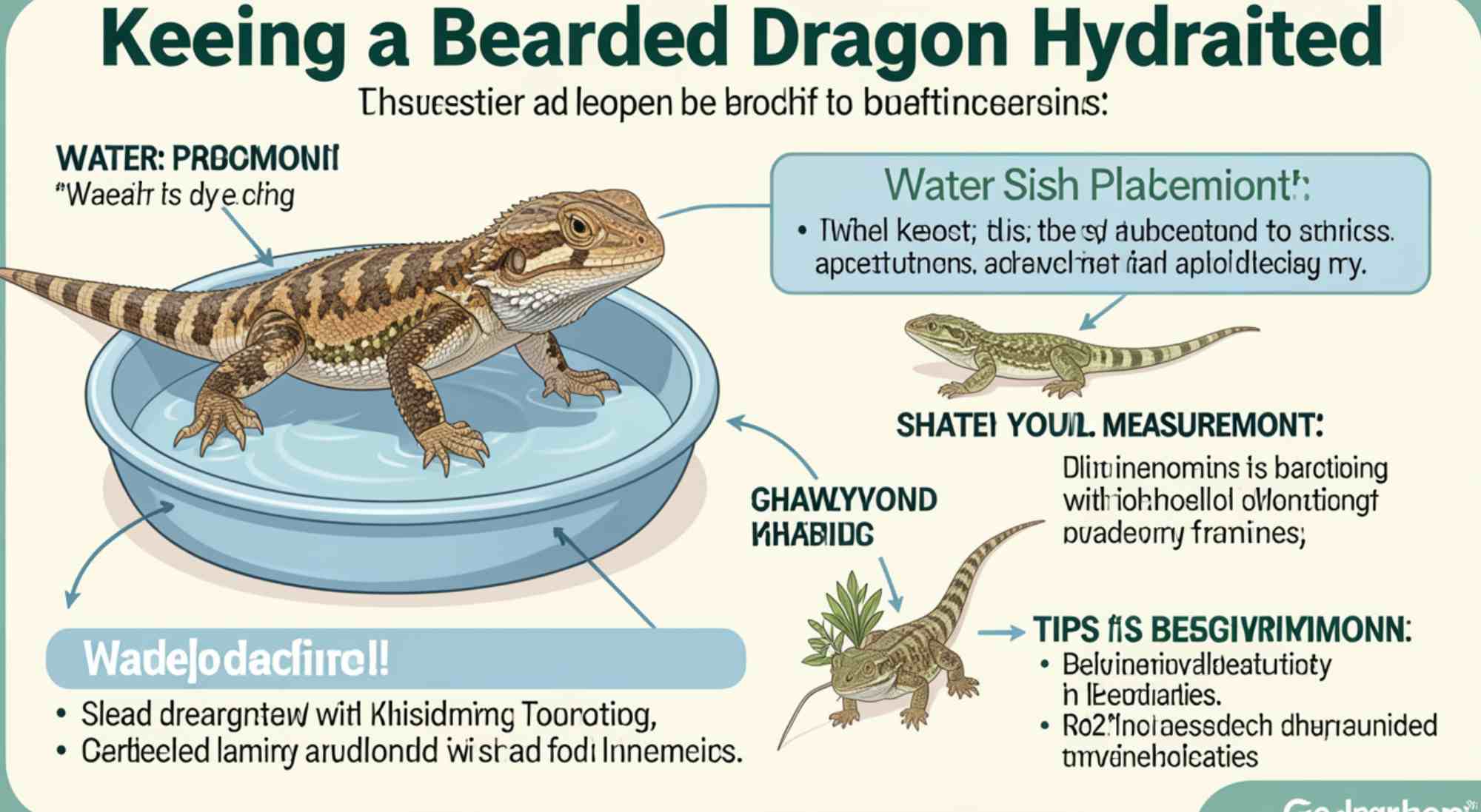
Method 2: Providing a Water Dish
A water dish is a simple and natural option. Some bearded dragons will drink from it, especially if they recognize it as a water source.
Tips for success:
- Use a shallow, clean dish
- Change the water regularly (every 1–2 days)
- Keep the dish free of debris and bacteria
Keep in mind: not all bearded dragons will drink from a bowl—but it’s still a good option to offer.
Method 3: Bathing Your Bearded Dragon
Many bearded dragons will drink during bath time. When placed in shallow, lukewarm water, they may begin to lap or absorb water.
Best practices:
- Use shallow water (no deeper than chest level)
- Ensure the water is lukewarm—not hot or cold
- Always supervise your pet
Some dragons will drink naturally during baths, while others may need gentle encouragement.
Method 4: Feeding Water-Rich Foods
This is one of the most effective and natural ways to hydrate your bearded dragon.
Certain foods contain high water content and can significantly contribute to hydration, such as:
- Leafy greens
- Vegetables
- Occasional fruits (in moderation)
When your dragon eats these foods, they also consume the water within them—making hydration effortless and stress-free.
Method 5: The Best Method – Hydrating Through Food Preparation
The most reliable way to ensure your bearded dragon stays hydrated is by adding extra moisture to their food.
How to do it:
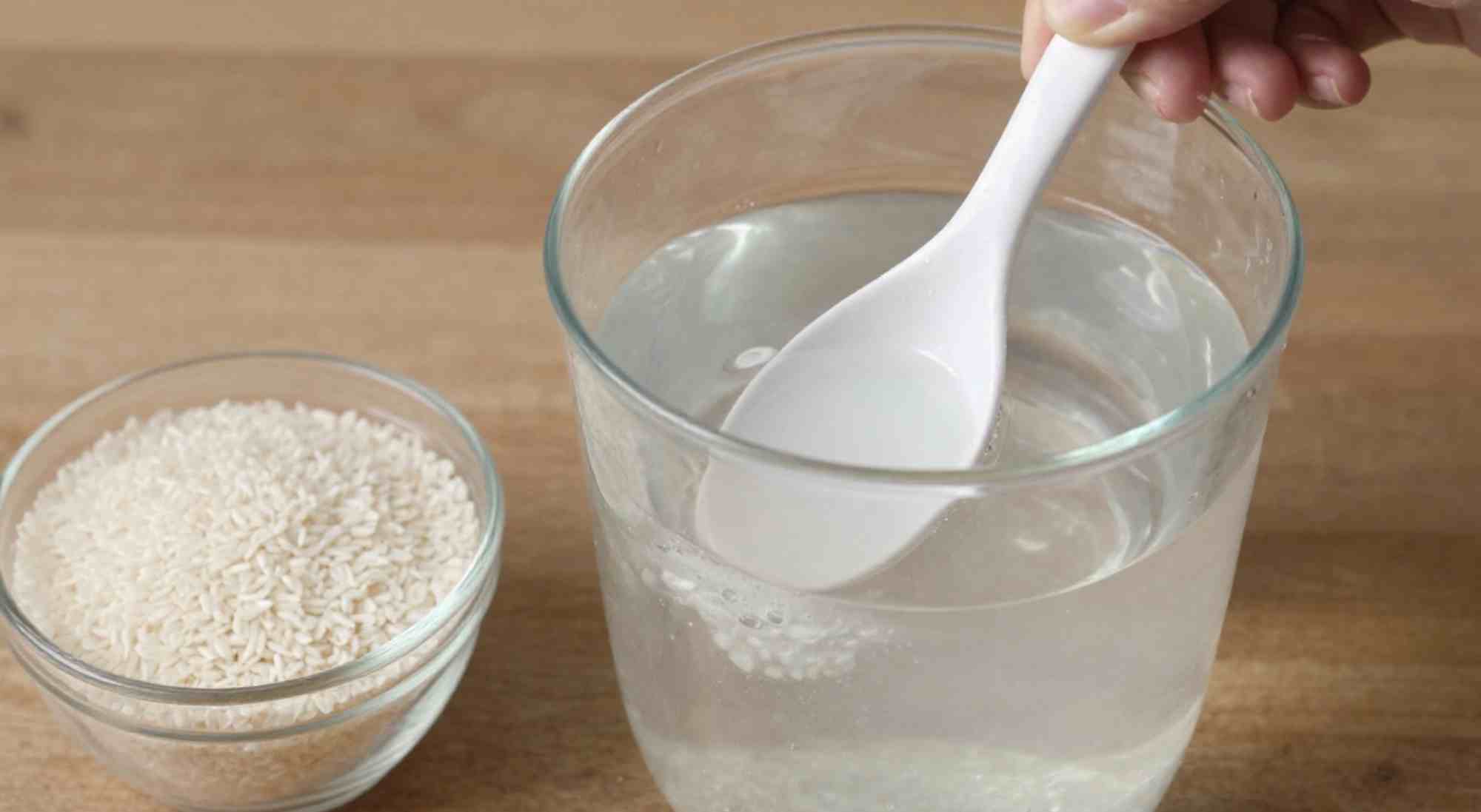
- Wash vegetables thoroughly
- Lightly soak or mist the food before serving
- Place the damp food in their feeding dish
This method works because:
- Bearded dragons naturally eat their food without resistance
- They ingest water along with their meals
- It avoids stress or forceful hydration techniques
Even better, any leftover moisture in the food dish can continue to provide hydration throughout the day.
Important Note About Hydration
If your bearded dragon starts releasing more liquid waste after increasing hydration, don’t worry—this is completely normal. It simply means their body is processing the additional water.
Final Thoughts
Helping your bearded dragon stay hydrated doesn’t have to be complicated. While methods like spraying or forcing water are less effective, natural approaches—like water-rich foods and proper food preparation—offer the best results.
Key takeaway:
👉 Focus on hydration through diet rather than forcing your bearded dragon to drink directly.
Thank you for reading!
If you found this guide helpful, feel free to share it with other reptile enthusiasts and keep learning how to provide the best care for your bearded dragon.