





When preparing for emergencies, two key principles can make all the difference.
First, prioritize multi-purpose items. Supplies that serve more than one function help you save space while maximizing usefulness. The more ways you can use a single item, the better prepared you’ll be.
Second, focus on simple, practical solutions. Before modern conveniences existed, people relied on basic resources to solve everyday problems. Those same methods can still be incredibly valuable today—especially in a crisis.
One perfect example of both principles is rice.
Rice is a long-lasting, versatile staple that can be used in countless meals. But what many people overlook is that the water left behind after preparing rice can be just as useful.
Let’s explore what rice water is, its benefits, and how you can make it during emergencies.
What Is Rice Water?
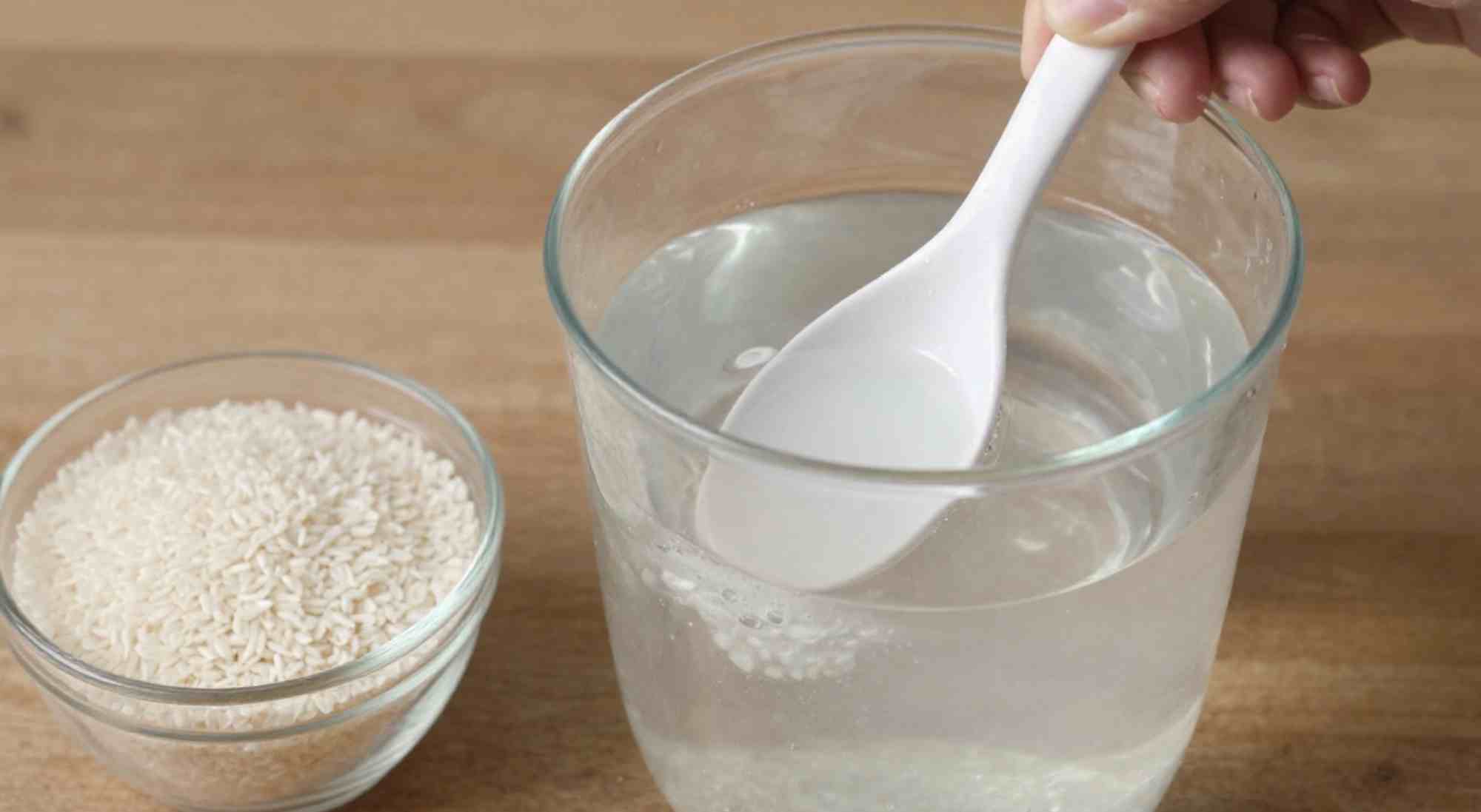
Rice water is the starchy liquid left after soaking or boiling rice.
Since rice contains around 80–90% starch, this water becomes rich in nutrients and carbohydrates. While rice itself provides essential energy, the leftover water can be reused in a variety of helpful ways—making it especially valuable when resources are limited.
Benefits of Rice Water
Rice water isn’t just a byproduct—it’s a powerful, multi-use resource. Here’s how it can help in emergency situations:
1. Soothes the Stomach
Rice water is gentle and easy to digest. It can help calm:
- Upset stomach
- Nausea
- Bloating
- Diarrhea or constipation
It’s especially useful when someone is sick or has eaten something that didn’t agree with them.
2. Provides Light Nutrition
If solid food is hard to eat, rice water offers a mild, nourishing alternative. Its soft, gruel-like texture makes it easier to consume for:
- Sick individuals
- Elderly people
- Anyone with difficulty eating
3. Helps Prevent Dehydration
Rice water can support hydration and may act similarly to electrolyte drinks. In situations where medical supplies are unavailable, it can be a simple way to help the body recover fluids.
4. Improves Food Preparation
If you’re relying on fresh catches like fish:
- Soaking fish in rice water can reduce strong odors
- It may also help remove excess salt
This can significantly improve taste when cooking in the wild.
5. Thickens Meals
Like pasta water, rice water can enhance cooking by:
- Thickening soups and stews
- Adding a richer texture and flavor
It’s a great way to stretch ingredients further.
6. Acts as a Natural Cleaner
When cleaning supplies are scarce, rice water can help:
- Clean glass and mirrors (use as a spray)
- Wash dishes in light situations
Note: It may not remove heavy grease completely.
7. Nourishes Plants
Rice water contains nutrients that can benefit plants. Use it as a natural fertilizer to:
- Support garden growth
- Improve soil quality
8. Supports Skin and Hair Care
Rice water is widely used in natural beauty routines:
- Cleanses skin and may help reduce acne
- Strengthens hair and adds shine
- Helps detangle and maintain healthy hair
How to Make Rice Water
There are several easy methods depending on your situation:
Method 1: Boiling (Quick & Practical)
- Add 2 tablespoons of rice to 1 cup of water (no salt or additives).
- Bring to a boil.
- Cook until the rice is soft.
- Strain the liquid into a container.
This milky liquid is your rice water.
- For thicker consistency: cook longer
- For thinner: add more water
- Let it cool before use
Method 2: Soaking (Simple & Energy-Saving)
- Rinse ½ cup of uncooked rice.
- Add 2–3 cups of water.
- Let it sit for 30 minutes.
- Strain and store the liquid.
Method 3: Fermenting (Extra Potency)
- Rinse ½ cup of rice.
- Add 2–3 cups of water.
- Leave at room temperature for up to 48 hours.
- Strain the liquid.
Fermented rice water may have stronger benefits but also a stronger smell.
Rice: A Must-Have for Emergencies
Rice is more than just a food—it’s a survival essential.
With a long shelf life and incredible versatility, it can:
- Feed your family
- Support health
- Assist in cleaning and hygiene
- Help maintain a garden
By using both the rice and its water, you get the most out of a single resource—exactly what smart emergency preparedness is all about.